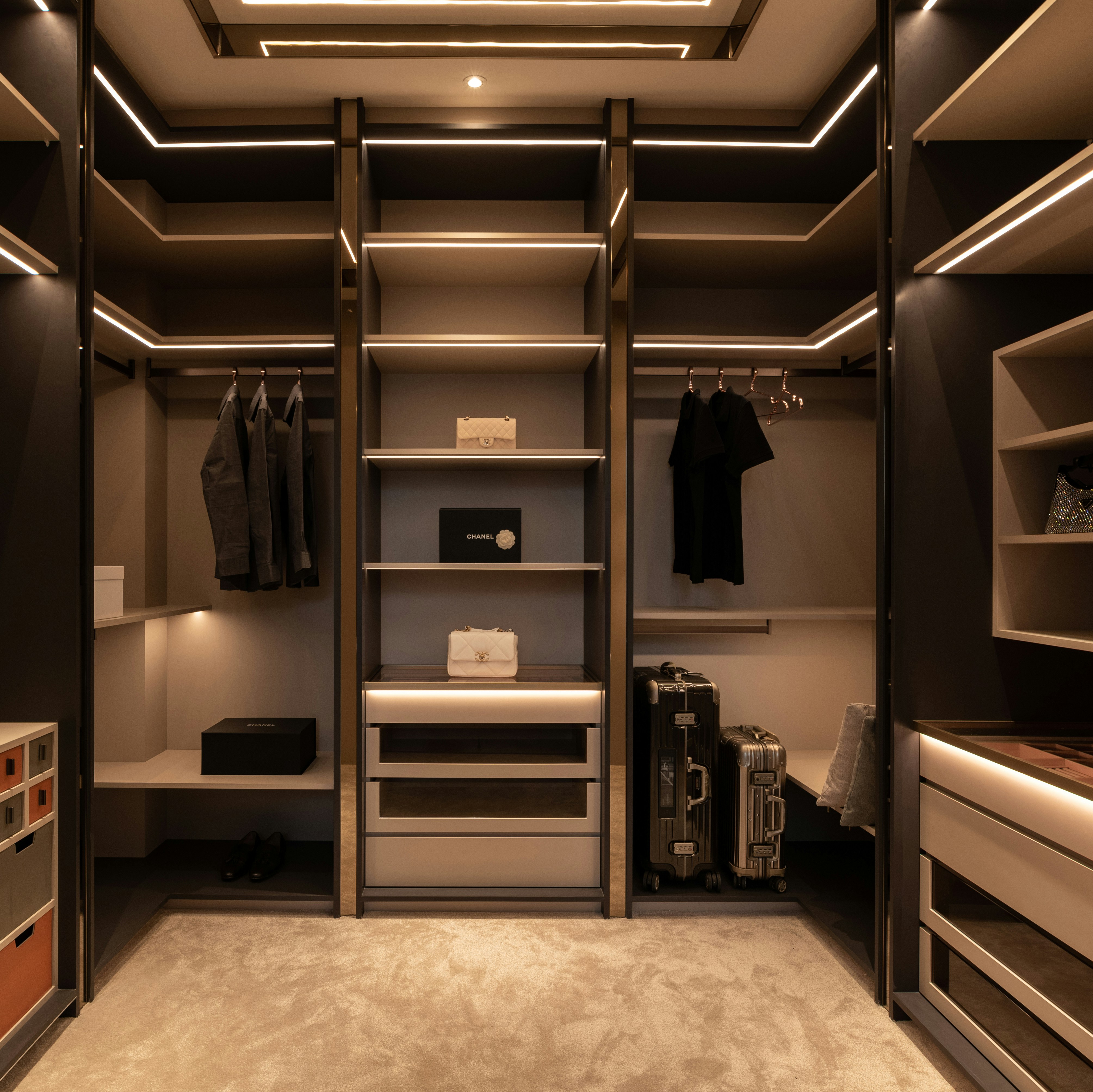
The almirah is one of the most emotionally significant pieces of furniture in an Indian home. It holds valuables, clothes accumulated over decades, and in many families, items passed between generations. Choosing the wrong material for it is not just a financial mistake — it is a functional one that reveals itself slowly, over years.
Here is the honest comparison between steel wardrobes and wooden almirahs — based on how they actually perform in Indian homes, not how they look in a showroom.
"A wooden almirah that costs ₹50,000 today will need ₹15,000–20,000 in pest treatment over 10 years — and may still need replacing at year 12. A steel wardrobe at ₹70,000 requires nothing except a damp cloth."
Ferro DesignsThe Termite Problem With Wooden Wardrobes
Termites attack wardrobes in a specific pattern — they typically enter from the base (floor contact), move up through the carcass and hollow out the interior while the exterior looks intact. By the time you notice the damage, structural integrity is already compromised. Interior shelves collapse, doors warp and the entire unit needs replacement.
In India's climate, this cycle typically takes 6–10 years for wardrobes with floor contact or proximity to external walls with moisture.
Humidity and Warping — The Monsoon Problem
Wood is hygroscopic — it absorbs and releases moisture with the ambient humidity. Indian monsoon humidity levels (typically 70–90% in UP, MP and Bihar during June–September) cause wood to swell. Sliding wardrobe doors jam. Hinged doors warp and will not close properly. Drawers stick. These are not defects — they are the expected behaviour of wood in humid conditions.
Steel is dimensionally stable regardless of humidity. Doors slide and close the same way in January and July.
Steel vs Wood Wardrobe: The Cost Comparison
| Factor | Wood Almirah | Steel Wardrobe (Ferro) |
|---|---|---|
| Upfront cost (6x4 ft) | ₹25,000–50,000 | ₹42,000–75,000 |
| Pest control (annual) | ₹3,000–8,000/yr | ₹0 |
| Typical lifespan | 8–15 years | 30–50 years |
| Resale/buy-back value | Near zero | 40–60% of purchase price |
| 10-year total cost | ₹70,000–1.3L | ₹42,000–75,000 (net) |
What Makes a Good Steel Wardrobe
- SS 202 or SS 304 carcass — not just steel shutters on a plywood body
- Indian & German hardware — HAFELE or BLUM drawer channels and hinges for smooth, lasting operation
- Proper base sealing — the base should not have exposed raw steel edges that can collect moisture
- Finish quality — hairline, matte or mirror finish on SS, with consistent grain direction
- Internal organisation — saree trays, trouser rods, jewellery drawers should be part of the design, not afterthoughts
Sliding vs Hinged — Which Is Better in Steel?
Both work well in steel. Sliding wardrobes work better in bedrooms where floor space is limited — you do not need door swing clearance. Hinged wardrobes give better access to the full interior. Indian & German hardware (BLUM and HETTICH for hinges, HAFELE and KESSEBOHMER for drawer runners) makes the difference in long-term feel — the soft-close mechanism on a BLUM hinge at year 5 feels the same as day one.
Book a free site visit. We measure your space, show you finish samples and deliver a full 3D wardrobe design — free of charge.
Book Free Consultation